
Top 10 Cultural Landmarks in the United States
The United States is home to several institutions that are globally recognized for their architectural significance and the priceless nature of their collections. These landmarks are more than just buildings; they are cultural hubs that define the cities they inhabit. This list highlights the essential destinations for any traveler seeking the best of American art, history, and science.
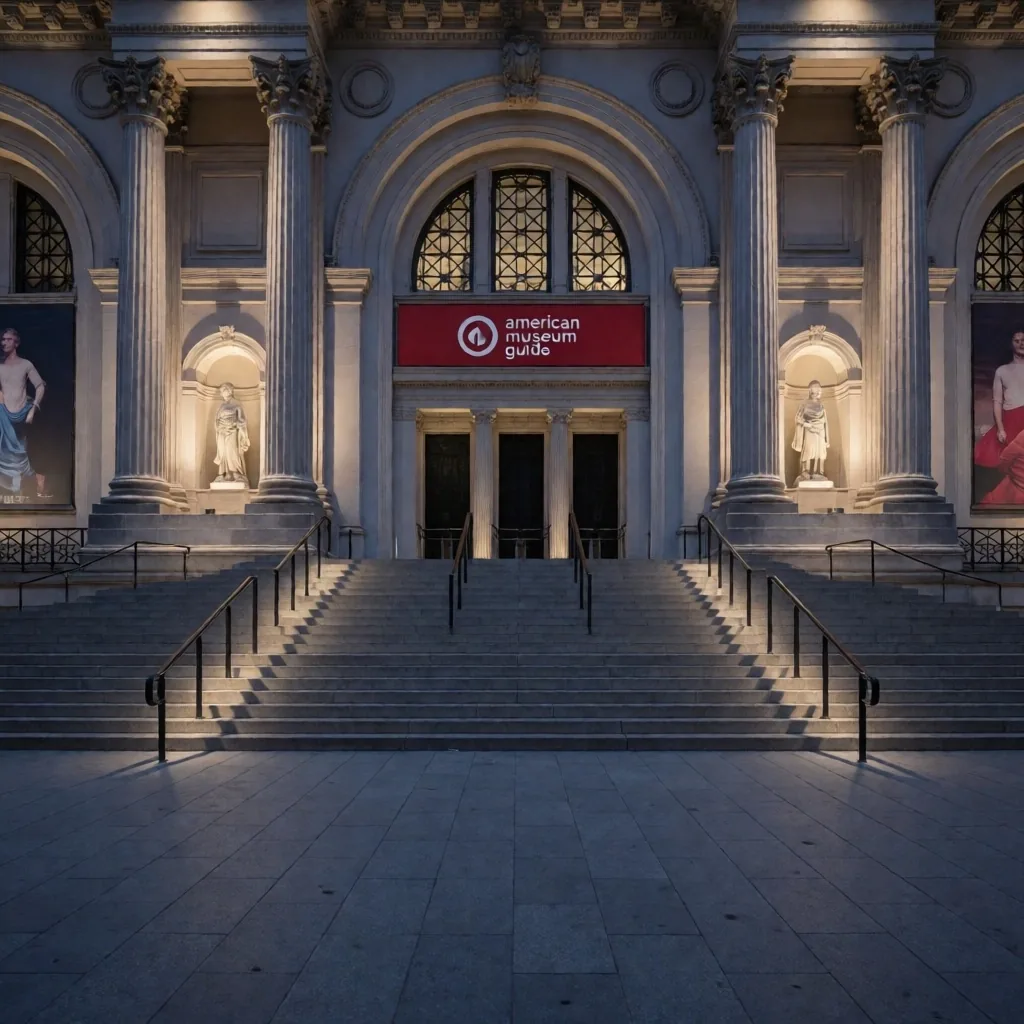
New York, New York
The Metropolitan Museum of Art
How to Read This List
Three lenses for comparing the most famous US galleries
Collections
The scale and rarity of what each institution holds — from 5,000 years of global culture at The Met to the world's largest collection of historic aircraft at the National Air and Space Museum. We note the signature works that define each visit.
Architecture
Several of these institutions are as famous for their buildings as for their holdings. Frank Lloyd Wright's Guggenheim spiral, Richard Meier's Getty campus, and the Yoruba-inspired bronze facade of the National Museum of African American History and Culture each shape how you experience what is inside.
City Context
Where each museum sits and how it anchors its city. The Met borders Central Park on the East Coast, the Field Museum commands the Chicago lakefront, and the Getty overlooks Los Angeles from a hilltop. Location shapes the logistics of a visit and the experience of arrival.
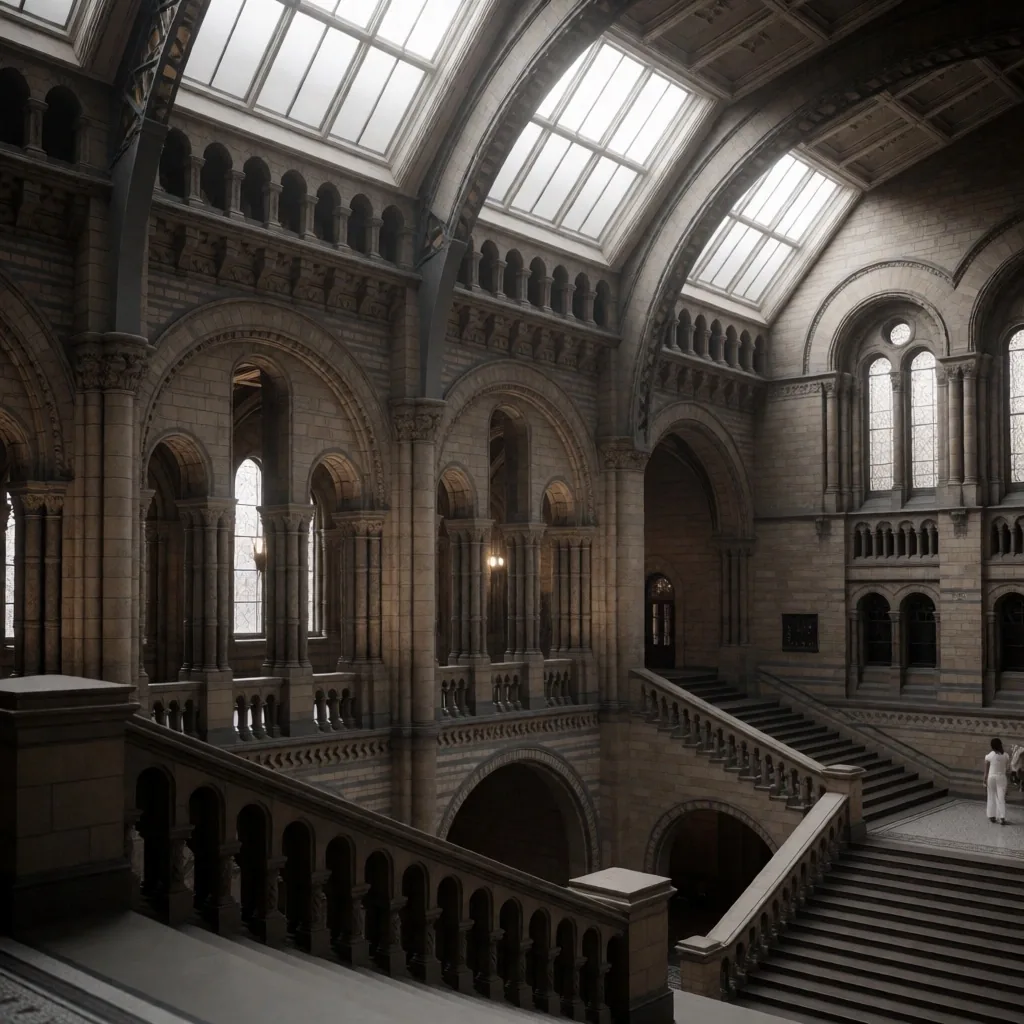
The Metropolitan Museum of Art
Commonly known as "The Met," this institution is a massive complex on the edge of Central Park. Its collection spans 5,000 years of global culture, from the Egyptian Temple of Dendur to modern American fashion. It is widely considered a mandatory stop for anyone visiting the East Coast due to the sheer volume of masterpieces it houses.
The Greek Revival facade on Fifth Avenue opens into galleries covering every continent and era. The American Wing alone fills a four-story glass courtyard, while the period rooms transport visitors through European interiors across centuries. Plan a full day at minimum — the permanent collection exceeds two million objects.
The National Air and Space Museum
Part of the Smithsonian Institution, this museum holds the world's largest collection of historic aircraft and spacecraft. Visitors can see the Wright brothers' flyer and the Apollo 11 command module. It serves as a record of the rapid technological advancements of the 20th century and the human drive for exploration.
The Smithsonian's National Mall building houses icons of flight beneath a glass-and-steel canopy. The open floor plan lets visitors walk directly beneath suspended aircraft and between full-scale rockets. Admission is free, which makes it one of the most visited museums in the country; arriving early in the morning is the simplest way to avoid the heaviest crowds.

The Art Institute of Chicago
Famous for its collection of Impressionist and Post-Impressionist works, this museum is a cornerstone of the Chicago cultural scene. It houses iconic pieces like Grant Wood's "American Gothic" and Edward Hopper's "Nighthawks." The building itself is an architectural landmark, blending 19th-century design with modern expansions.
The Michigan Avenue entrance is guarded by two bronze lions that have become city symbols. Inside, the Modern Wing by Renzo Piano nearly doubled the museum's gallery space. The Impressionist galleries hold works by Seurat, Monet, and Renoir that are regularly cited in art-history textbooks, making this one of the top rated museums in the country.

The Getty Center
Perched on a hill overlooking Los Angeles, the Getty Center is as famous for its Richard Meier-designed architecture and gardens as it is for its European paintings and sculptures. The campus offers panoramic views of the city and a unique outdoor experience. It is a prime example of how a private foundation can create a public space for the arts.
A tram carries visitors from the arrival plaza to the hilltop campus. The white travertine cladding changes character with the shifting California light, and the Central Garden by Robert Irwin is itself a living artwork that changes with the seasons. Admission is free; parking is paid by the hour.
The Museum of Modern Art
MoMA is often identified as the most influential museum of modern art in the world. Its collection includes pivotal works by Picasso, Van Gogh, and Warhol, shaping the global understanding of contemporary visual culture. Located in Midtown Manhattan, it is a high-energy hub for the latest movements in design and media.
The 2019 expansion by Diller Scofidio + Renfro added gallery space that allows curators to show works that had long been in storage. Van Gogh's "The Starry Night" is the most visited painting in the collection, but the design galleries, which hold everyday objects alongside industrial prototypes, are equally worth the visit for their breadth.

The Field Museum of Natural History
Home to "Sue," the most complete Tyrannosaurus rex skeleton ever found, the Field Museum is a leader in evolutionary biology and anthropological research. Its grand neoclassical building houses millions of specimens that explain the history of life on Earth. It remains one of the top educational destinations for families and scientists alike.
The museum sits on the Chicago lakefront in the Museum Campus, alongside the Shedd Aquarium and the Adler Planetarium. The Stanley Field Hall is the main gallery, with a hanging cast of a titanosaur that dwarfs the visitors below. The permanent exhibits on ancient Egypt and the Pacific Islands are as carefully detailed as the dinosaur displays.
As the newest addition to the Smithsonian Mall, this museum provides a deep, multi-layered look at the African American experience. The building's distinctive bronze-colored facade is inspired by Yoruba craftsmanship. Its exhibits cover everything from the history of slavery to the influence of Black culture on global music and sports.
The filigree screen wrapping the exterior filters light into the upper galleries while referencing ironwork traditions of Black craftsmen in New Orleans and Charleston. The history galleries descend through three levels, moving from the 15th-century transatlantic slave trade through the Civil Rights Movement. Free timed-entry passes are required.
National Museum of African American History and Culture
The Solomon R. Guggenheim Museum
Designed by Frank Lloyd Wright, the Guggenheim is perhaps the most famous museum building in the world. Its continuous spiral ramp allows visitors to view art in a unique, flowing progression. While its permanent collection of modern art is significant, the architecture itself remains the primary draw for many visitors.
Wright's design, completed in 1959, rejected the idea of discrete gallery rooms in favor of a single curved ramp that coils upward from the ground floor. Visitors take an elevator to the top and walk down, experiencing the works along the way. The building polarized critics at its opening, but the rotunda is now listed on the National Register of Historic Places. It remains an iconic museum landmark on Fifth Avenue.
Side by Side
Compare what each landmark is known for
Best for Art
The Met (global history), MoMA (modern and contemporary), the Art Institute of Chicago (Impressionism), and the Guggenheim (architecture-first modern art).
Best for Science
The National Air and Space Museum for aerospace history, and the Field Museum for evolutionary biology and the deep history of life on Earth.
Best for Architecture
The Guggenheim's Wright spiral, the Getty Center's Meier campus, and the NMAAHC's Yoruba-inspired bronze filigree screen.
Free Admission
The National Air and Space Museum and all Smithsonian museums on the National Mall offer free entry year-round. The Getty Center is free; you pay for parking.
Best for Families
The Field Museum and the National Air and Space Museum are the most popular for children, thanks to full-scale dinosaur skeletons and real spacecraft.
Plan a Full Day
The Met and the Art Institute of Chicago each hold enough to fill a full day or more. Arrive early and pick a wing to focus on if your time is limited.
Next Steps
Plan your route to these iconic museum landmarks
Browse by state
Filter the full American Museum Hub directory by state to find institutions near your travel route — from the Smithsonian museums in D.C. to the Getty Center in California.
Check visitor logistics
Read our planning guide for details on timed-entry passes, museum hours, and what to expect inside each institution before you arrive. Some landmarks require advance reservations.
Explore collections
Dive deeper into the specific holdings that make these institutions worth a detour — from the Wright brothers' flyer to Grant Wood's American Gothic and Sue the T. rex.