
Field Guide No. 01
Visitor Preparation
Planning Your Visit
Practical Guide for Museum Visitors
Visiting a museum involves more than walking through the doors. From timed-entry ticketing to gallery etiquette, a bit of preparation ensures a smooth and educational experience across American cultural institutions.
Orientation
What This Guide Covers
Before Arrival
Tickets and Timing
Booking timed-entry slots, understanding suggested-donation pricing, and choosing the right day to visit. Major US museums increasingly require advance reservations for popular exhibits.
In the Galleries
Conduct and Access
No-touch policies, photography rules, accessibility accommodations, and security screening. Knowing the expectations helps you move through entrances and galleries without friction.
After the Exhibits
Value and Amenities
Membership math, reciprocal programs, museum cafes, and gift shops. Pacing your day to avoid fatigue and make full use of what the institution offers beyond the main galleries.
Section One
Ticketing and Reservation Systems
Many major US museums have moved to timed-entry ticketing to manage crowd flow and ensure a better experience for guests. It is now common for visitors to book their slots weeks in advance, especially for popular rotating exhibits at institutions like the Metropolitan Museum of Art or the Art Institute of Chicago.
Three admission models appear across American institutions, and knowing the difference before you arrive saves time at the entrance:
-
01
Suggested donation You pay what you wish, but a recommended amount is listed. Common at city-funded institutions. Some New York museums offer this model for residents.
-
02
General admission A fixed ticket price grants entry to the permanent collection. Timed slots may still apply during busy periods.
-
03
Special exhibition ticket A separate, often pricier ticket for a limited-time exhibit. These sell out fastest and usually require advance online booking.
Check the museum's official website for current pricing and reservation windows. Sm museums and university galleries may still accept walk-ins, but calling ahead is always worth the minute it takes.
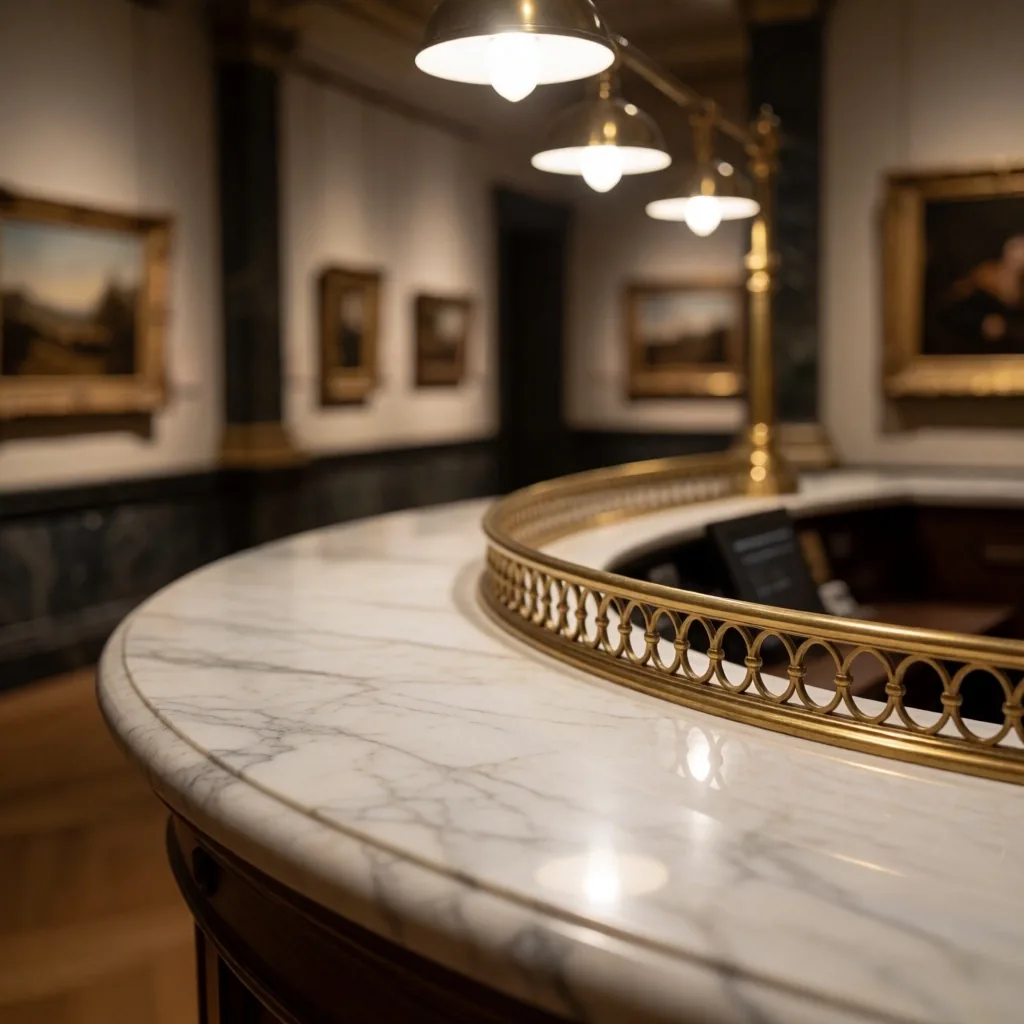
Admission desk, permanent collection wing
Section Two
Understanding Museum Etiquette
Maintaining the integrity of artifacts requires specific rules. No-touch policies are near-universal, and flash photography is restricted in most galleries because repeated light exposure degrades pigments and textiles over time.
While some modern museums encourage interaction with hands-on installations, others require a quiet, contemplative atmosphere. Contemporary art spaces and children's museums tend to be more permissive; classical art galleries and historical houses tend to ask for silence.
- ▓ Keep phones on silent. Taking calls inside gallery rooms is discouraged at nearly every major institution.
- ▓ Maintain at least an arm's length from artwork and display cases. Some museums install floor markers as guides.
- ▓ Backpacks and large bags are often asked to be carried at your side or checked, to prevent accidental contact with objects.
- ▓ Food and drinks stay in designated cafe areas. Never bring them into gallery rooms.
Section Three
Maximizing Your Membership
Museum memberships often pay for themselves in just two or three visits and provide benefits like early access to special exhibitions, gift shop discounts, members-only previews, and reciprocal entry at partner institutions.
Many US institutions participate in reciprocal programs. The most widely useful is NARM, the North American Reciprocal Museum Association. A qualifying membership at one participating museum grants you free or reduced admission to hundreds of other sites across the country. If you travel frequently or live near a major cultural center, a single membership can unlock a national network.
Other reciprocal networks include ROAM (Reciprocal Organization of Associated Museums) and ACM (Association of Children's Museums) for family-oriented venues. Check which network your home museum belongs to before purchasing, and confirm that the institution you plan to visit is an active participant. Reciprocal lists update annually.
For local enthusiasts, membership benefits often include guest passes, priority event registration, and access to members-only lecture series. For travelers, the real value is the reciprocal entry, which can cover multiple destinations on a single trip.
Reciprocal Programs
NARM
North American Reciprocal Museum Association
Free or reduced admission to hundreds of participating museums across the United States.
ROAM
Reciprocal Organization of Associated Museums
Free general admission at participating art and cultural institutions nationwide.
ACM
Association of Children's Museums
Discounted entry for families at children's museums across the country.
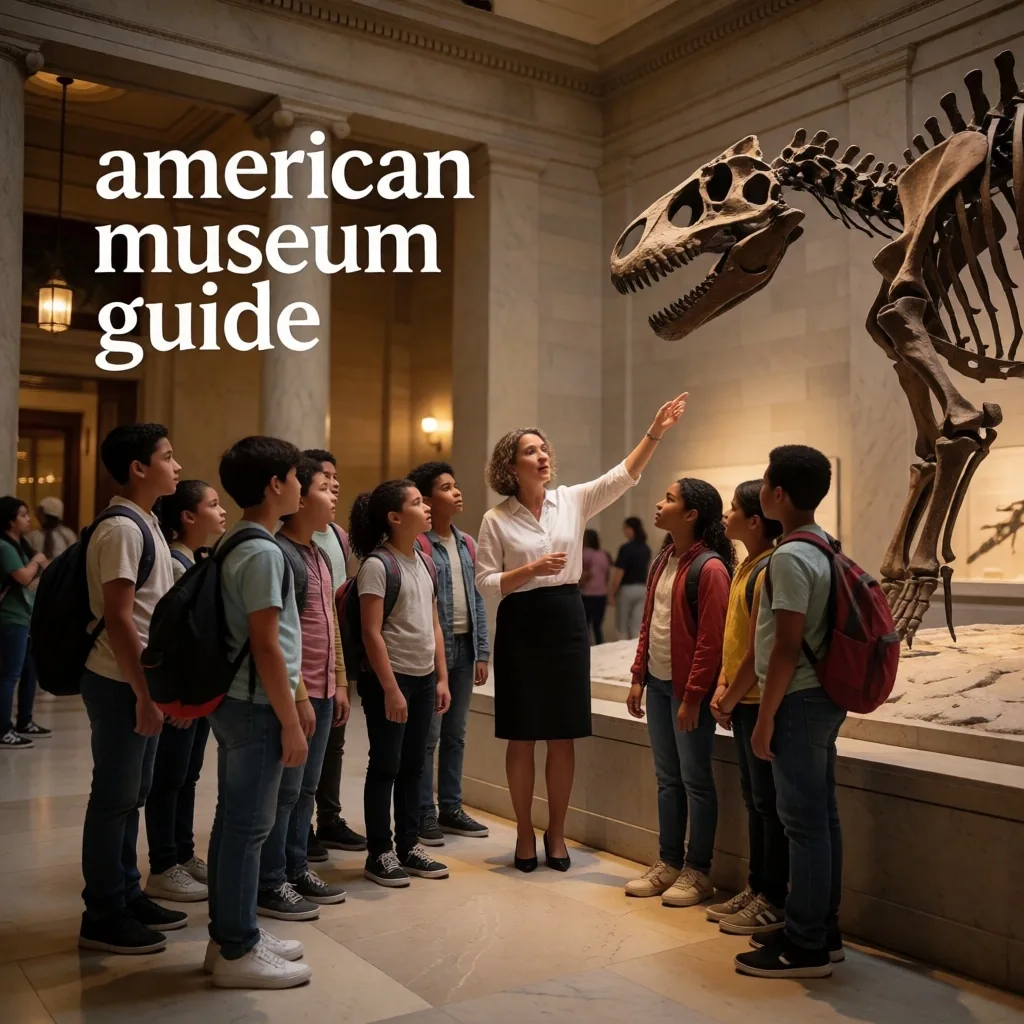
Guided school tour, permanent collection wing
Section Four
Group Visits and Educational Tours
If you are planning a trip for a school group or a large organization, most museums offer discounted rates and dedicated guided tours. These arrangements often need to be booked months in advance and may include access to private study rooms or specialized lectures led by curators or education staff.
- ▓ Bus parking is limited at most urban museums. Confirm drop-off zones and parking arrangements with the institution's group sales office.
- ▓ Lunchroom facilities require reservations and fill up quickly during the school year.
- ▓ Group size caps vary. Plan to split large parties across staggered entry times.
- ▓ Chaperone ratios are often required for student groups. One adult per ten students is a common standard.
Section Five
Accessibility and Special Accommodations
American museums are generally leaders in providing access for all guests, including those with mobility, visual, or hearing impairments. Ramps, elevators, and accessible restrooms are standard at institutions built or renovated after 1990, following the Americans with Disabilities Act.
Many museums offer "quiet hours" for neurodivergent visitors, during which lighting is softened and audio is reduced. Tactile maps, audio descriptions, braille signage, and ASL-interpreted tours are available at major institutions, though scheduling varies.
Check the specific museum's website for their ADA compliance details before your arrival. Most institutions list available accommodations on an accessibility page, along with contact information for their access services office. Calling ahead allows staff to prepare any equipment or arrange a guide.
Common Accommodations
- Wheelchair access Standard
- Audio descriptions By request
- ASL tours Scheduled
- Tactile maps Select sites
- Quiet hours Periodic
Availability varies by institution. Confirm details on the museum's official accessibility page.
Section Six
Making the Most of Museum Amenities
Modern museums are often full-day destinations with high-quality cafes, extensive research libraries, and well-curated gift shops. Taking breaks in the museum courtyard or browsing the bookstore can be as enriching as the exhibits themselves.
Museum fatigue is real. After two or three hours of concentrated viewing, attention drops and everything starts to blur together. Plan to spend ninety minutes to two hours in the galleries, then take a break before continuing. Most major institutions have cafes or courtyards designed for exactly this rhythm.
Gift shops at major US museums stock items curated by the institution's own staff, including exhibition catalogs, art books, and reproductions unavailable elsewhere. Members often receive a discount of ten to fifteen percent on shop purchases.
Section Seven
Photography and Digital Sharing
Most museums allow non-flash photography for personal use. Professional equipment, tripods, monopods, and selfie sticks are usually prohibited without a permit. Some temporary exhibitions restrict all photography due to loan agreements with lending institutions.
Sharing your experience on social media is often encouraged through specific hashtags. Respect the copyright of artists and the privacy of other visitors. Do not photograph security infrastructure, and avoid capturing identifiable faces of strangers without consent.
When in doubt, look for signage at the gallery entrance. A camera icon with a slash through it means no photography of any kind in that room.
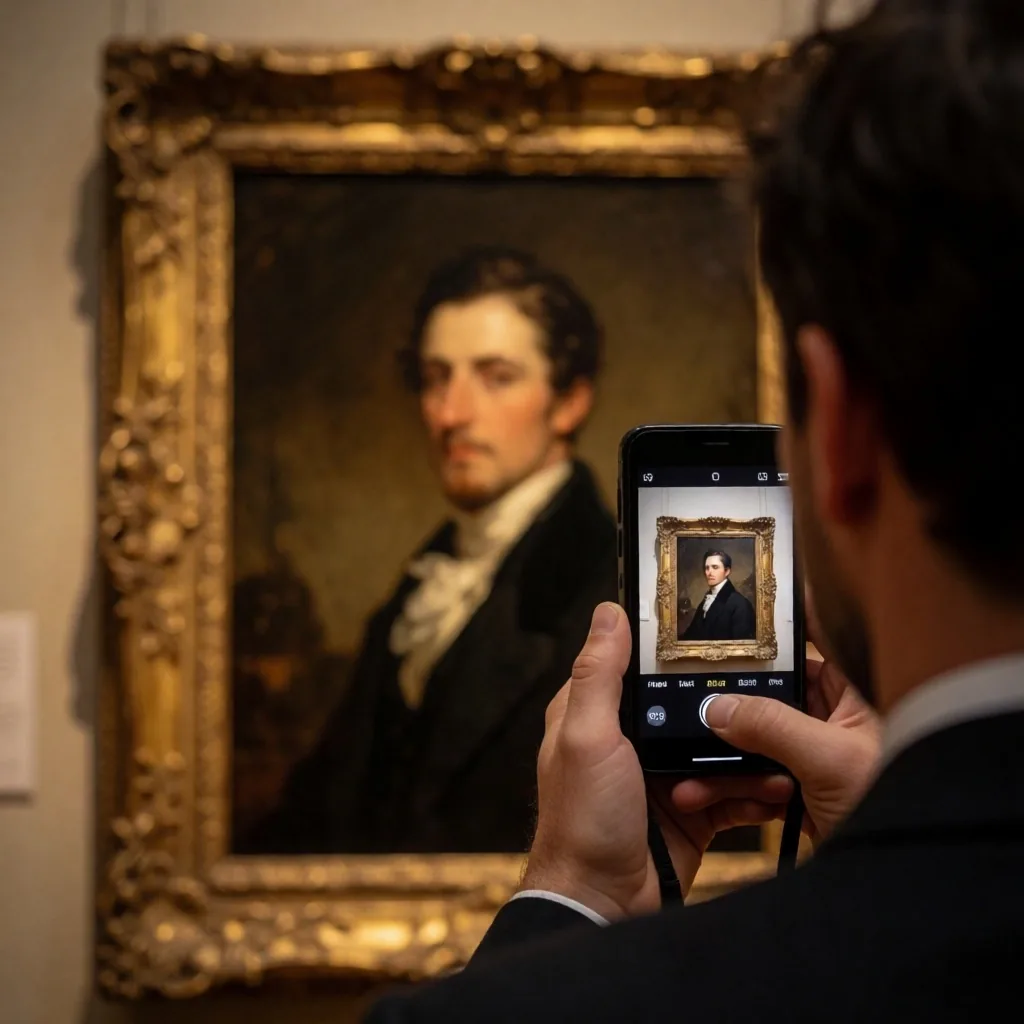
Non-flash photography is permitted in most permanent collection galleries
Section Eight
Security and Prohibited Items
Security screenings at museum entrances are standard, especially at major institutions in Washington, D.C., New York, and other large cities. Bag checks, metal detectors, and X-ray scanners are common at the larger museums.
Large bags, umbrellas, and food are typically required to be left in a cloakroom or locker. Some institutions charge a small fee for bag checking. Traveling light speeds up the entry process considerably. A small crossbody bag or jacket pocket is often all you need.
Check the prohibited items list on the specific institution's website before your visit. Policies differ, and some museums are stricter than others depending on their collection type and location.
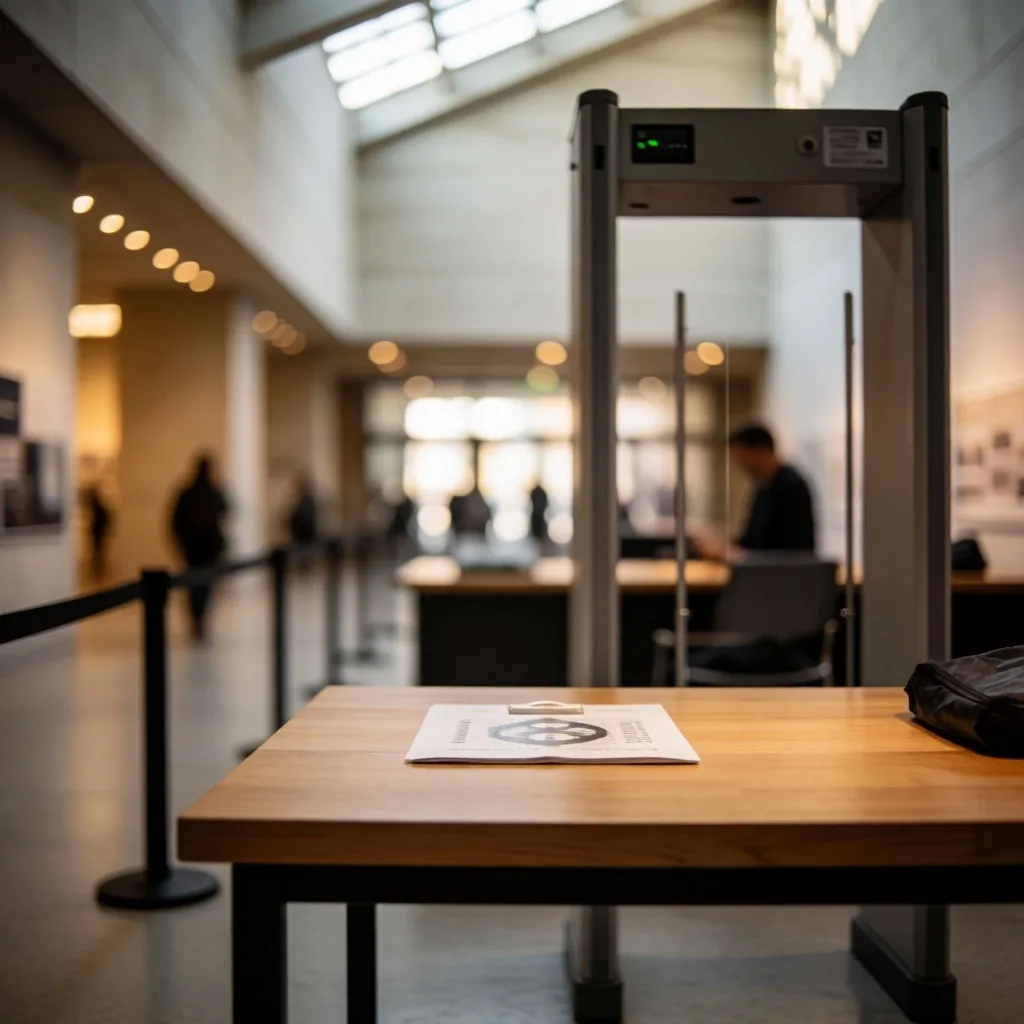
Security checkpoint, main entrance
Frequently Asked Questions
Quick Answers Before You Go
Do I need to buy tickets in advance for every museum?
+
While many smaller museums still allow walk-ins, major institutions and popular exhibitions frequently require timed-entry tickets purchased online. If you are visiting a well-known museum in New York, Washington, Chicago, or Los Angeles, booking ahead is the safer choice. Smaller regional museums and university galleries often maintain open admission, but calling ahead confirms current hours and any special closures.
Are museums free on certain days?
+
Many city-funded museums offer free admission days for local residents, often on the first Tuesday or a specific weekend of the month. Some institutions offer "pay-what-you-wish" hours for residents during designated windows. Check the museum's official website for the current schedule, as these programs change and may require proof of residency. Free days tend to draw larger crowds, so arriving early is advisable.
Can I bring a backpack into the galleries?
+
Policies vary by institution, but most major museums require large backpacks and oversized bags to be checked at the cloakroom or stored in a locker before entering galleries. Small crossbody bags and purses are generally permitted. Some museums ask visitors to carry backpacks at their side rather than on the back to prevent accidental contact with artwork. Traveling light is the simplest way to avoid delays at security.
How long should I plan for a typical museum visit?
+
A focused visit to a single museum usually runs two to three hours. Large institutions with multiple buildings, like the Smithsonian's National Mall museums, can easily fill a full day. Plan to spend ninety minutes to two hours in the galleries before taking a break. Museum fatigue sets in quickly after that point, and shorter focused sessions tend to be more rewarding than attempting to see everything in one pass.
Is photography allowed inside the galleries?
+
Non-flash photography for personal use is permitted in most permanent collection galleries. Restrictions apply to temporary exhibitions, where loan agreements may prohibit all photography. Tripods, monopods, selfie sticks, and professional video equipment typically require a permit. Look for signage at each gallery entrance, as policies can change from room to room within the same building.
Ready to Plan
Start With the Museum You Want to Visit
Browse our state-by-state guide to find institutions near your destination, or explore our top cultural landmarks for destinations worth building a trip around.
American Museum Hub
1000 Fifth Avenue, New York, NY 10028